Anthropogenic ecological overshoot is a major cause of the myriad symptoms around the globe today. As such, changing basic human behaviour must now come first and fast. Mitigation can keep temperatures within adaptability thresholds while delivering immediate health co-benefits. Increasing access to zero-carbon energy, if delivered with health as a priority, will not only reduce energy poverty but also improve air quality and avert millions of deaths. A shift to electric mobility can avert 460,000 deaths yearly from travel-related PM2·5 emissions. These gains would reduce demand for healthcare services and help to minimize healthcare-related emissions and their impacts on the environment, livelihoods and economy.

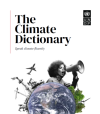
Climate Change is a collective issue for humanity, and knowledge empowerment is crucial in fostering action and collective responsibility to address it. Bridging the gap between complex scientific jargon and the public can make climate concepts accessible and relatable to most individuals from diverse backgrounds and levels of expertise. Access The Climate Dictionary here, a UNDP learning resource that provides an everyday guide to an in-depth understanding of climate change and communicating complex climate concepts in user-friendly and visually captivating manner. Its contents cater to diverse audiences, both scientifically inclined and those with limited prior knowledge of the subject.

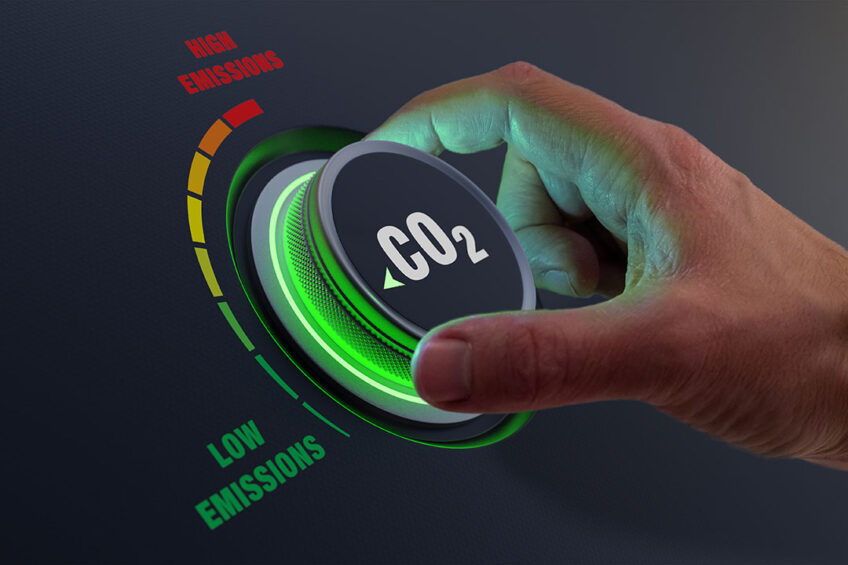
To reach net zero by 2050 requires that anthropogenic CO2 emissions be decreased from 2010 levels by ~45% by 2030, meaning fossil fuels must be urgently phased out, climate change tackled, and its risk to health and survival reduced. Net zero implies reducing GHG emissions where possible and removing or offsetting those that are released. However, such large-scale GHG removal is infeasible due to a mix of political, environmental, social, technical, and economic factors. Alternatively, a combination of lowered emissions and natural carbon sinks may allow atmospheric GHG levels to remain constant. Urgent but non-fatalistic adaptation and mitigation interventions can catalyse the pace to significantly lower GHG emissions.
Climate effects are ever more threatening, challenging us to innovate, unlock new routes to net zero, and foster the acceleration of sustainable development; All of which create significant opportunities for the financial sector to respond. Nearly half of the CO2e reductions required to reach net zero come from technology innovations that are currently in the prototype phase. Scaling these innovations requires large up-front capital based on anticipated revenues or projected social impact. Through our Green Market-Shaping initiative, let us explore how we can prime banks and other financiers to connect private capital to early-stage innovations to accelerate the transition to green growth by leveraging green-and-clean-tech.